Beauty Sleep Is Literal: What Your Skin Does While You're Unconscious
Beauty sleep sounds like grandmother folklore; it is actually a construction schedule. Overnight, skin runs its repair shift — cell turnover peaks, growth hormone clocks in, and the day’s damage gets processed. Skimp the shift and the face publishes the deficit by morning. Literal, measurable, and free.

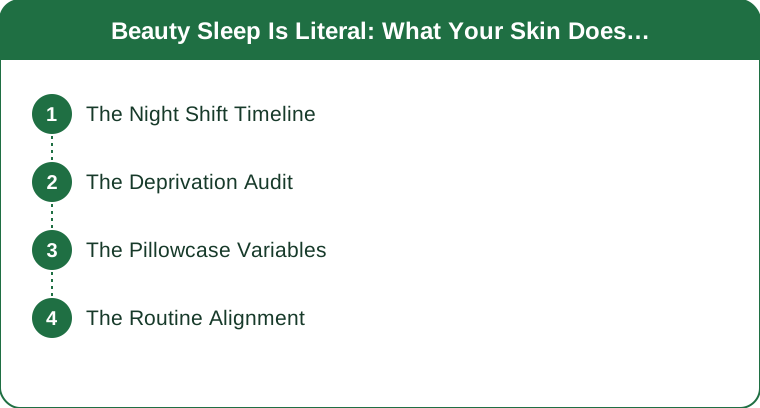
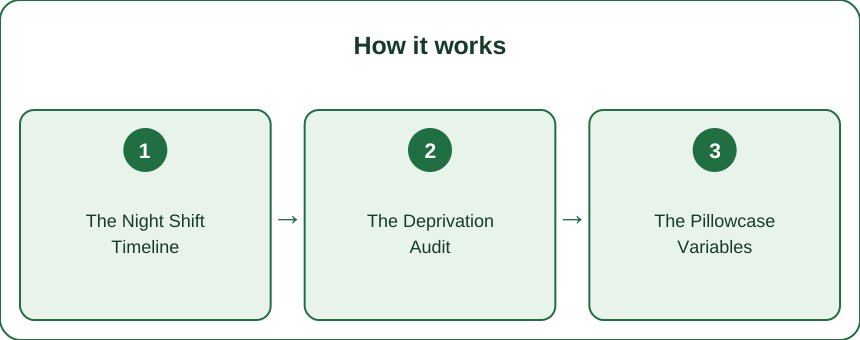
The Night Shift Timeline
Deep-sleep hours trigger growth hormone — the skin’s repair contractor — while cell division peaks in the small hours. Blood flow to skin rises overnight, delivering materials to the site. Sleep IS the treatment window; the night creams were always just supplies left out for the crew.
The Deprivation Audit
Studies on short sleep read like a beauty pageant in reverse: measurably duller skin, slower barrier recovery, darker under-eyes, and — the brutal one — other people rating short-slept faces as less healthy and attractive in blind tests. One bad night shows; chronic short nights compound.

The Pillowcase Variables
Side-sleepers press their faces into fabric for decades — silk or smooth pillowcases reduce the friction (and the morning crease map), while clean cases manage the oil-and-product residue file. The sleep-position wrinkle debate is real but slow; the friction fix is cheap either way.
The Routine Alignment
Feed the shift: actives applied before bed work WITH the turnover peak (the retinoid’s whole schedule), moisturizer supplies the barrier crew, and the last-hour screen dimming protects the melatonin that starts it all. The most expensive serum works a short shift on a short night.
Growth hormone runs the crew, short nights publish immediately, silk reduces the friction tax, and the retinoid rides the turnover peak. Beauty sleep was never a metaphor — it was a shift schedule, and attendance shows.
Keep Reading
This article is for general informational purposes only and is not medical advice. Always consult a qualified health professional for guidance specific to you.