What Nutrition Actually Can't Fix About Your Skin (An Honest List)
Quick Answer: Nutrition genuinely supports skin hydration, some inflammation markers, and collagen building blocks — but it can’t fix genetics-driven conditions, most active acne triggers (hormones, bacteria, clogged pores), or sun damage already done. Treat food as a support layer, not a cure-all.
You’ve overhauled your diet chasing ‘glowing skin’ — cut the sugar, added the omega-3s, drank the collagen. Some things improved. Others, stubbornly, didn’t. Knowing which is which saves you from blaming food for things food was never going to fix.

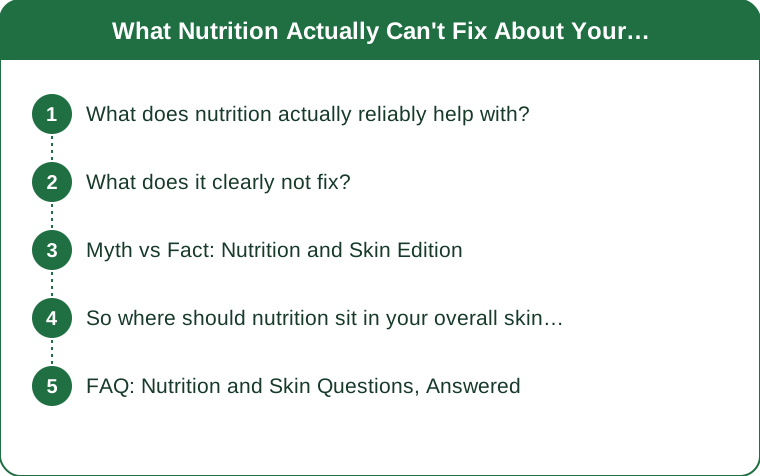
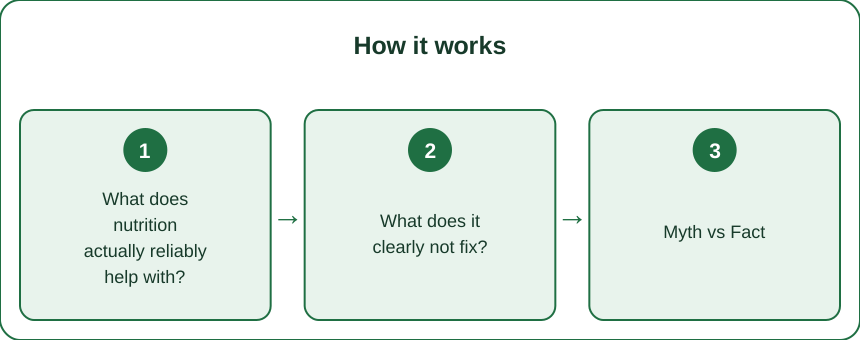
What does nutrition actually reliably help with?
Hydration-related skin quality (plumpness, some fine lines from dehydration), some inflammatory markers tied to high-sugar or highly processed diets, and providing the building blocks for collagen (vitamin C, protein, zinc) genuinely support skin structure over months of consistent intake.
What does it clearly not fix?
Genetic predispositions (pore size, some pigmentation patterns), hormonal acne drivers (diet can modestly help but rarely resolves it alone), active bacterial or clogged-pore acne (which needs topical or dermatological treatment, not dietary change), and existing sun damage — that requires treatment or time, not food.

Myth vs Fact: Nutrition and Skin Edition
Myth: Cutting dairy clears acne for everyone. Fact: Dairy is a trigger for some people, not most — eliminating it broadly without a personal pattern rarely produces the dramatic results influencers describe.
Myth: Collagen supplements rebuild your skin’s structure directly. Fact: Ingested collagen is broken down into amino acids like any protein — it may support your body’s own collagen production modestly, but it doesn’t get deposited directly into your face.
Myth: ‘Glass skin’ is achievable through diet alone. Fact: That specific look relies heavily on genetics, skincare routine, and sometimes professional treatments — diet is a small supporting factor, not the primary lever.
So where should nutrition sit in your overall skin routine?
As a supporting layer, not the primary treatment — good hydration, adequate protein, and a diet lower in ultra-processed sugar genuinely help skin look and function better over months. But active issues (persistent acne, pigmentation, sun damage) need dermatological tools alongside it, not instead of it.
FAQ: Nutrition and Skin Questions, Answered
Can diet alone clear persistent acne?
Rarely alone — diet can be a supporting factor, but persistent or cystic acne usually needs topical or prescription treatment for real resolution.
How long before dietary changes show up in skin?
Skin cell turnover takes roughly 4-6 weeks, so genuine dietary effects on skin quality take at least that long to show, not days.
Is it worth seeing a dermatologist if diet isn’t working?
Yes — if diet and basic skincare changes haven’t moved the needle after 6-8 weeks, a dermatologist can address what nutrition genuinely can’t.
TL;DR:
- Nutrition reliably helps hydration, some inflammation, and collagen building blocks
- It doesn’t fix genetics, most acne triggers, or existing sun damage
- Treat diet as a supporting layer alongside skincare and dermatology, not a replacement
- Give dietary changes 4-6+ weeks before judging their effect on skin
Keep Reading
This article is for general informational purposes only and is not medical advice. Always consult a qualified health professional for guidance specific to you.