The Skin Benefit of Omega-3s That Takes Months, Not Days
Omega-3 fatty acids show up in skincare marketing as if they work like a serum: apply, wait a week, glow. The actual mechanism runs on a completely different timeline, closer to months than days, because it works through the skin’s structural barrier, not its surface.

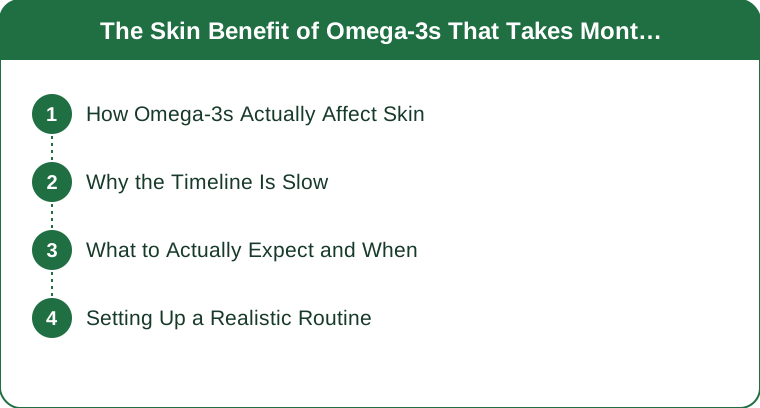
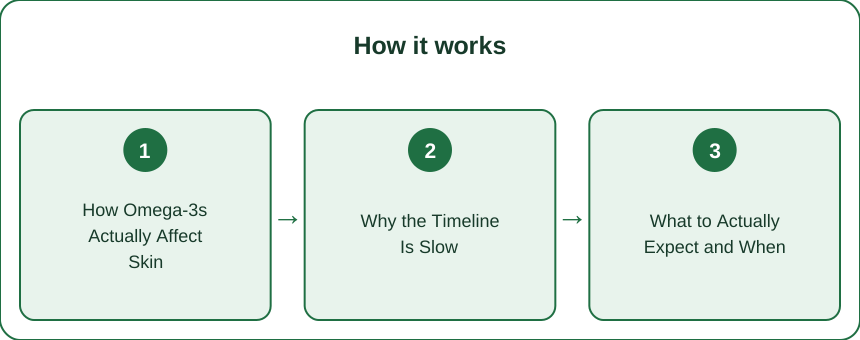
How Omega-3s Actually Affect Skin
The mechanism: the the-cell-membrane-composition (omega-3 fatty acids becoming incorporated into skin cell membranes over time, which affects how well those membranes retain moisture and resist irritation), the the-barrier-lipid-role (essential fatty acids contributing to the skin’s lipid barrier, the layer responsible for keeping water in and irritants out), the the-inflammation-pathway (omega-3s influencing inflammatory pathways in the body broadly, which can reduce skin redness and reactivity as a secondary effect rather than a direct topical action).
Why the Timeline Is Slow
The reason for the wait: the the-cell-turnover-cycle (skin cells taking several weeks to turn over, meaning dietary changes need at least one full turnover cycle before showing up in new cells), the the-systemic-not-topical-path (omega-3s working through the bloodstream and internal metabolism rather than a direct surface application, which is inherently slower than a topical product’s effect), the the-cumulative-dose-requirement (benefits appearing to depend on consistent intake over two to three months rather than a single high dose, similar to how other nutritional interventions build up gradually).

What to Actually Expect and When
The realistic timeline: the the-eight-to-twelve-week-window (most research on omega-3 supplementation and skin hydration measuring change after roughly eight to twelve weeks of consistent intake, not days or a couple weeks), the the-hydration-over-glow-metric (the most consistently measured benefit being improved skin hydration and reduced transepidermal water loss, rather than a dramatic visible glow), the the-diet-source-options (fatty fish, walnuts, flaxseed, and algae-based supplements all providing omega-3s, with fatty fish generally offering the most bioavailable form).
Setting Up a Realistic Routine
The practical approach: the the-consistency-over-intensity (regular, moderate omega-3 intake several times a week mattering more than one large dose occasionally), the the-pair-with-topical-care (omega-3 intake working as a complement to, not a replacement for, a basic topical skincare routine addressing surface hydration and sun protection), and the frame (omega-3 fatty acids genuinely support skin barrier function and hydration, but through a slow, cumulative process — expect two to three months of consistent intake before judging whether it’s working.)
Omega-3 fatty acids have real, measurable effects on skin hydration and barrier function, but the mechanism explains why the results never arrive on a skincare-marketing timeline. These fats get incorporated into skin cell membranes and the lipid barrier gradually, working through diet and metabolism rather than a fast topical application, and skin cells themselves take weeks to turn over before any change is even visible in new cells. Most of the actual research measuring this benefit checks in at eight to twelve weeks of consistent intake, and the effect it finds is usually improved hydration and reduced water loss rather than a sudden visible glow. None of that makes omega-3s not worth prioritizing — fatty fish, walnuts, flaxseed, and algae-based supplements are all reasonable sources — it just means judging the habit after a week or two is judging it before it’s had time to work. Two to three months of consistency is the honest benchmark.
Keep Reading
This article is for general informational purposes only and is not medical advice. Always consult a qualified health professional for guidance specific to you.