The Zinc-Skin Connection Nobody Talks About — and the Foods That Cover It
Quick Answer: Zinc is required for collagen synthesis and skin cell turnover — low intake shows up as slow wound healing, stubborn breakouts, and thinning hair. Most people can cover the RDA (8mg for women) through 2-3 zinc-rich foods a day rather than a supplement.
You’ve fixed your skincare routine three times this year and the same breakout keeps returning in the same spot. Before buying another serum, it’s worth asking what’s happening on the inside — because zinc deficiency mimics half the skin complaints people try to solve topically.

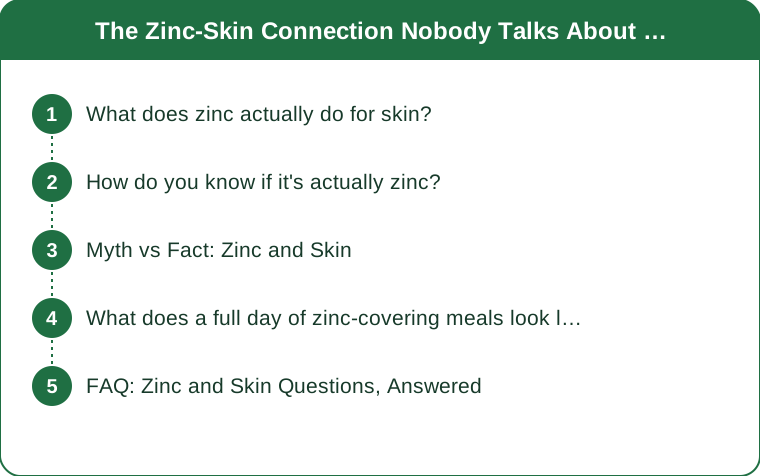
What does zinc actually do for skin?
Zinc is a cofactor for collagen production and controls how fast your skin replaces damaged cells. Without enough of it, wound healing slows measurably — studies show minor cuts and blemishes take up to 2x longer to close.
It also regulates oil gland activity, which is why zinc deficiency and hormonal-pattern breakouts can look identical from the outside.
How do you know if it’s actually zinc?
A handful of signs cluster together when zinc is genuinely low:
- Breakouts that heal slowly and leave marks longer than they should
- White spots on nails
- Hair that’s shedding more than thinning (different from pattern loss)
- Frequent minor infections or slow-healing scrapes
One symptom alone means little. Two or more together is worth addressing through diet first.

Myth vs Fact: Zinc and Skin
Myth: More zinc always means clearer skin. Fact: Past the RDA, extra zinc does nothing for skin and can actually block copper absorption, causing new problems. More is not better here.
Myth: Zinc supplements work faster than food. Fact: Food-based zinc (oysters, beef, pumpkin seeds) is absorbed more reliably than many supplement forms, and comes without the nausea high-dose zinc pills commonly cause on an empty stomach.
Myth: Vegetarians can’t get enough zinc. Fact: Harder, not impossible — pumpkin seeds, lentils, and cashews cover it, just eat them with vitamin C to offset phytate absorption blockers.
What does a full day of zinc-covering meals look like?
Breakfast: Greek yogurt with pumpkin seeds (2mg) Lunch: Lentil salad with cashews (3mg) Dinner: 4oz lean beef or 3oz oysters (5-30mg — oysters are the outlier food here) Snack: Handful of cashews (1.6mg)
That covers the 8mg RDA for women comfortably without a supplement, and pairs naturally with the protein and vitamin C that help absorption.
FAQ: Zinc and Skin Questions, Answered
How long until zinc fixes visible skin issues?
Cell turnover cycles run about 4-6 weeks, so give consistent intake at least that long before judging results.
Can too much zinc cause breakouts?
Indirectly — high-dose zinc supplements can trigger nausea and disrupt other mineral balances, which can show up as skin stress. Food sources rarely cause this.
Is zinc deficiency common?
Mild insufficiency is more common than true deficiency, especially in people who train hard (sweat loses zinc) or eat mostly plant-based without planning for absorption blockers.
TL;DR:
- Zinc drives collagen production and skin cell turnover — low intake slows healing and worsens breakouts
- Watch for white nail spots + slow-healing blemishes + hair shedding together, not any one alone
- 8mg RDA covers easily with 2-3 zinc foods daily; more isn’t better past that
- Give it 4-6 weeks before judging — that’s one full skin cell turnover cycle
This is general nutrition information, not a substitute for medical advice if symptoms persist.
Keep Reading
This article is for general informational purposes only and is not medical advice. Always consult a qualified health professional for guidance specific to you.